
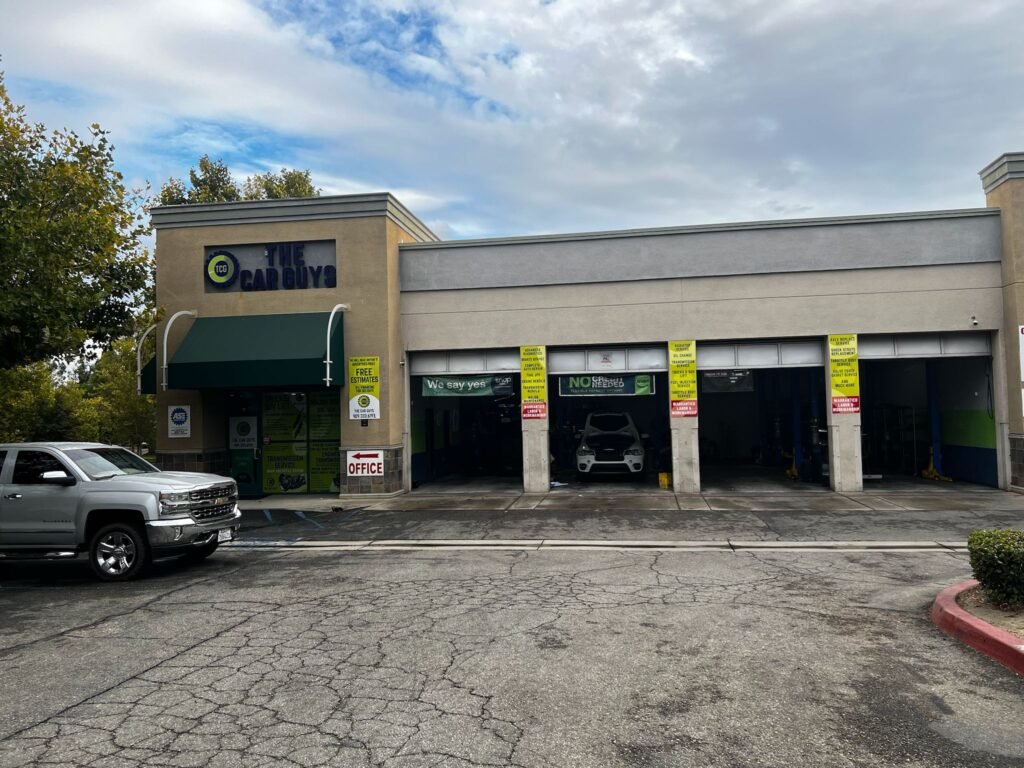
When it comes to maintaining your vehicle, one of the most crucial yet often overlooked services is an oil change. While many car owners are familiar with conventional oil changes, the rise of full synthetic oils has significantly changed the game. A full synthetic oil change offers superior protection, longevity, and performance compared to conventional oils. If you are searching for an auto shop near me that specializes in full synthetic oil changes, this comprehensive guide will help you understand everything you need to know, from the benefits of synthetic oil to choosing the right service center.
What is Full Synthetic Oil?
Full synthetic oil is a man-made lubricant specifically engineered to provide superior engine performance. Unlike conventional oils, which are derived directly from crude oil and contain natural impurities, synthetic oils are designed at the molecular level to provide uniformity and consistency. This engineering allows full synthetic oil to withstand extreme temperatures, reduce friction, and protect your engine over longer periods.
Key characteristics of full synthetic oil include:
-
Enhanced Viscosity Stability: Full synthetic oils maintain consistent thickness, even under high heat or cold conditions. This means your engine receives optimal lubrication in all weather.
-
Superior Engine Protection: The synthetic molecules are uniform, reducing wear and tear on engine components.
-
Cleaner Engine Operation: Synthetic oils contain fewer impurities and more additives that help prevent sludge and deposit buildup.
-
Improved Fuel Efficiency: Because synthetic oil reduces friction more effectively than conventional oil, engines often run more efficiently, potentially improving gas mileage.
-
Extended Oil Change Intervals: Full synthetic oils last longer, meaning fewer oil changes and less maintenance hassle.
Why Choose a Full Synthetic Oil Change?
While conventional oil is sufficient for some older vehicles, full synthetic oil is increasingly recommended by car manufacturers for modern engines. Here’s why:
1. Better Engine Protection
Engines operate under extreme heat and pressure. Full synthetic oil is engineered to handle these conditions better than conventional oil, ensuring that engine parts remain lubricated and protected. This reduces wear and prolongs the engine’s life.
2. Enhanced Performance
Full synthetic oils reduce friction more effectively, which can improve overall engine performance. This is especially important for high-performance or turbocharged engines, where conventional oils may break down more quickly.
3. Reduced Engine Sludge
Sludge formation is a common problem with conventional oils. Sludge can clog engine passages, reduce efficiency, and lead to costly repairs. Full synthetic oils contain additives that prevent sludge buildup, keeping your engine cleaner.
4. Better Cold-Weather Performance
Synthetic oils flow more easily at low temperatures, which is crucial for cold climates. This ensures faster lubrication at startup, reducing engine wear during winter months.
5. Extended Oil Change Intervals
Conventional oils typically require changing every 3,000 to 5,000 miles. Full synthetic oils can last 7,500 to 15,000 miles, depending on your vehicle and driving conditions. This reduces the frequency of visits to an auto shop near me.
Signs You Need a Full Synthetic Oil Change
Recognizing when your car needs a full synthetic oil change is vital for maintaining engine health. Here are common signs:
-
Check Engine or Oil Light Comes On: Your vehicle may detect low or dirty oil, signaling it’s time for a change.
-
Dirty or Dark Oil: Fresh oil is amber-colored. If your oil looks dark or gritty, it’s time for a replacement.
-
Engine Noise: Increased engine noise or knocking sounds may indicate insufficient lubrication.
-
Excessive Exhaust Smoke: Smoke can be a sign of old oil that’s losing its effectiveness.
-
Mileage Interval Reached: Even if no other symptoms are present, following manufacturer-recommended oil change intervals is essential.
How a Full Synthetic Oil Change Works
Visiting a professional auto shop ensures that your oil change is done correctly. Here’s what typically happens during a full synthetic oil change:
-
Vehicle Inspection: The technician checks for leaks, worn parts, and overall engine health.
-
Drain Old Oil: The old oil is carefully drained from the engine to prevent contamination.
-
Replace Oil Filter: A new oil filter is installed to remove dirt and impurities from the new oil.
-
Add Full Synthetic Oil: The technician pours the correct type and amount of synthetic oil recommended for your vehicle.
-
Check Fluid Levels: Other fluids, such as coolant and transmission fluid, may be checked.
-
Reset Maintenance Indicator: If your car has a maintenance light, it will be reset to track the next oil change.
Choosing the Right Auto Shop Near You
Finding the right auto shop near me for a full synthetic oil change can make a significant difference in service quality and vehicle longevity. Here’s what to consider:
1. Certifications and Experience
Look for shops with certified mechanics and extensive experience with synthetic oils. ASE certification or manufacturer endorsements are good indicators of expertise.
2. Quality of Oil Brands
Not all full synthetic oils are created equal. Reputable auto shops use high-quality brands that meet or exceed manufacturer specifications.
3. Transparent Pricing
A trustworthy auto shop provides upfront pricing, including oil, filter, labor, and disposal fees. Beware of hidden charges.
4. Convenience
Choose a shop with convenient hours, easy booking, and a location near your home or work. Some shops also offer mobile oil change services.
5. Customer Reviews
Check online reviews to see what other customers say about service quality, professionalism, and efficiency.
6. Additional Services
Some shops offer multi-point inspections during an oil change. This can catch small problems before they become expensive repairs.
Cost of a Full Synthetic Oil Change
The price of a full synthetic oil change varies based on the vehicle type, oil brand, and auto shop location. Here’s a rough estimate:
-
Sedans: $50–$80
-
SUVs/Trucks: $70–$120
-
High-Performance Vehicles: $100–$150
While full synthetic oil changes are more expensive than conventional oil changes, the benefits—longer intervals, better engine protection, and improved performance—often outweigh the extra cost.
Benefits of Regular Full Synthetic Oil Changes
Keeping up with regular oil changes has long-term benefits:
-
Prolonged Engine Life: Reduced wear and sludge buildup extend the life of your engine.
-
Better Fuel Efficiency: Lower friction improves gas mileage, saving money over time.
-
Reduced Maintenance Costs: Preventive care reduces the likelihood of costly repairs.
-
Environmental Benefits: High-quality synthetic oils degrade slower and may reduce the amount of waste oil generated.
How to Maintain Your Car Between Oil Changes
Even with full synthetic oil, proper maintenance is key:
-
Check Oil Levels Regularly: Even though synthetic oils last longer, maintaining the correct oil level is crucial.
-
Watch Engine Temperature: Overheating can degrade oil faster.
-
Replace Filters on Schedule: Air and fuel filters affect engine efficiency and oil performance.
-
Drive Responsibly: Aggressive driving can accelerate oil degradation and engine wear.
Common Myths About Full Synthetic Oil
Myth 1: Synthetic Oil Is Only for New Cars
Fact: Synthetic oil benefits any car, old or new. Older engines can experience improved performance and cleaner operation.
Myth 2: Synthetic Oil Causes Leaks
Fact: Modern synthetic oils are compatible with engine seals. Leaks typically result from worn seals, not the oil itself.
Myth 3: You Don’t Need Frequent Oil Changes with Synthetic Oil
Fact: While synthetic oil lasts longer, regular checks and changes are still essential for engine health.
Finding “Auto Shop Near Me” Online
Searching for a reliable shop online can save time. Use search engines and map services with keywords like:
-
“Full synthetic oil change near me”
-
“Certified auto shop near me”
-
“Best oil change service near me”
Check reviews, compare pricing, and look for certifications. Many shops also offer online booking, which adds convenience.
Tips for First-Time Full Synthetic Oil Users
-
Consult Your Owner’s Manual: Always check the recommended oil type and change intervals.
-
Choose a Reputable Shop: Avoid bargain shops that may use inferior products.
-
Ask About Oil Brands: Top brands include Mobil 1, Castrol Edge, Valvoline, and Pennzoil.
-
Keep Records: Track oil changes to maintain your vehicle’s service history.
Conclusion
A full synthetic oil change is an investment in your vehicle’s health, performance, and longevity. By choosing a professional auto shop near me, you ensure high-quality service, expert care, and peace of mind. From improved engine protection and fuel efficiency to extended oil change intervals and reduced maintenance costs, the benefits of full synthetic oil are clear. Whether you drive a daily commuter, a family SUV, or a high-performance vehicle, regular synthetic oil changes help keep your car running smoothly for years to come.
Don’t wait for engine problems to find you—schedule your full synthetic oil change today at a trusted auto shop near you and experience the difference synthetic oil can make.