
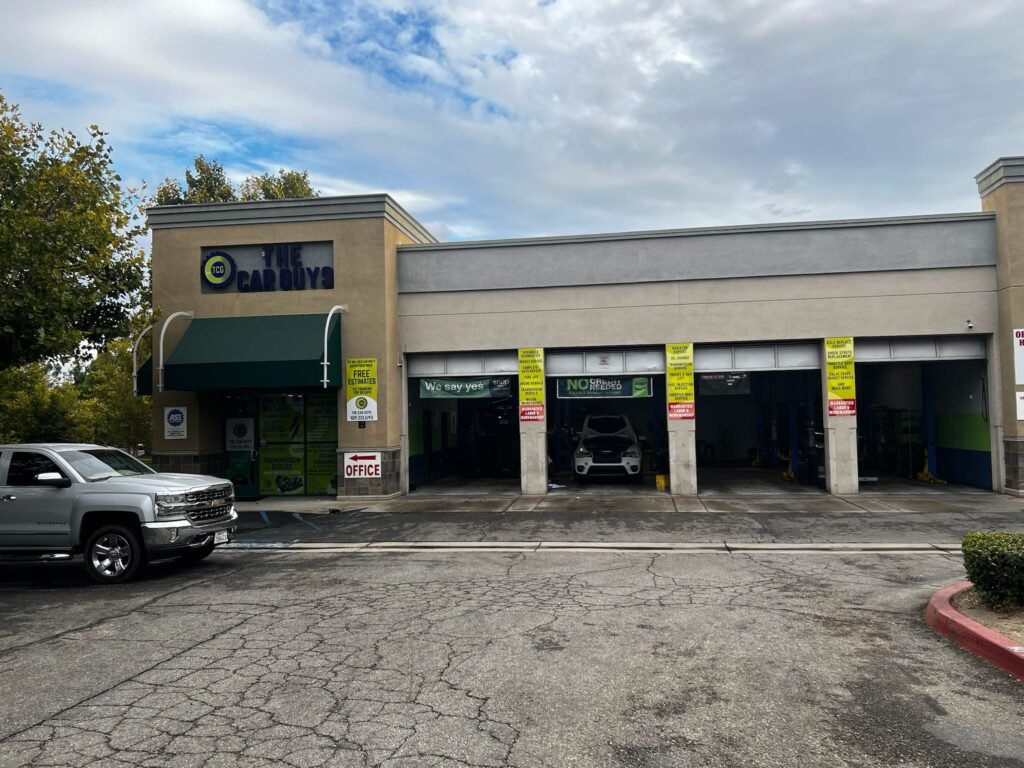
In today’s fast-paced world, maintaining your vehicle is more critical than ever. Among the various maintenance tasks, oil changes are fundamental to keeping your car running smoothly. While there are different types of engine oils, full synthetic oil stands out for its superior performance, longevity, and protective benefits. This article will provide a comprehensive guide on full synthetic oil changes, their benefits, and how to find reliable automotive shops near you that offer this service.
Understanding Full Synthetic Oil
Full synthetic oil is a man-made lubricant designed to provide superior engine protection and performance compared to conventional oils. Unlike conventional oil, which is refined from crude oil, full synthetic oil undergoes a chemical engineering process to create highly uniform molecules. This molecular consistency reduces friction, improves heat resistance, and ensures optimal lubrication under extreme conditions.
Some key characteristics of full synthetic oil include:
-
High Temperature Stability: Unlike conventional oil, synthetic oils maintain their viscosity in extreme heat, protecting engine components from wear.
-
Cold Weather Performance: Synthetic oils flow more easily at low temperatures, enabling smoother engine starts in winter.
-
Reduced Engine Wear: The uniformity of molecules reduces friction, minimizing engine wear over time.
-
Longer Oil Change Intervals: Full synthetic oil lasts longer than conventional oil, often allowing for 7,500–15,000 miles between oil changes.
These advantages make full synthetic oil the preferred choice for modern vehicles, high-performance cars, and drivers seeking the longest-lasting engine protection.
Why Choose a Full Synthetic Oil Change?
Switching to full synthetic oil can have a significant impact on your vehicle’s performance and longevity. Here are the main reasons why many car owners opt for synthetic oil changes:
1. Enhanced Engine Protection
Full synthetic oils contain superior additives that prevent sludge and deposits from building up in the engine. This ensures critical engine components, such as pistons and bearings, remain lubricated and protected.
2. Better Fuel Efficiency
Synthetic oils reduce engine friction more effectively than conventional oils. This means your engine can operate more efficiently, leading to potential improvements in fuel economy.
3. Longevity and Reliability
Vehicles running on synthetic oil often experience longer engine life. The oil’s ability to withstand heat and break down less over time means fewer engine issues and more consistent performance.
4. Adaptable for Extreme Conditions
If you frequently drive in very hot, cold, or dusty environments, full synthetic oil is ideal. It can handle extreme conditions without breaking down, ensuring your engine remains protected.
How Often Should You Get a Full Synthetic Oil Change?
Oil change frequency depends on several factors, including your vehicle type, driving habits, and the oil’s specifications. Traditionally, oil changes were recommended every 3,000 miles, but modern vehicles and synthetic oils have extended these intervals.
-
Conventional Oil: Typically every 3,000–5,000 miles
-
Full Synthetic Oil: Often 7,500–15,000 miles
Always refer to your car manufacturer’s recommendations and consult with professional automotive shops for guidance tailored to your vehicle. They can advise whether your driving habits (city driving, highway driving, towing) require more frequent oil changes.
Signs You Need an Oil Change
Even with full synthetic oil, monitoring engine performance is crucial. Some common indicators that your vehicle needs an oil change include:
-
Dark or Dirty Oil: Fresh oil is amber and clear; if it’s dark, gritty, or thick, it’s time for a change.
-
Engine Noise or Knocking: Insufficient lubrication can cause increased friction and engine noise.
-
Oil Change Light: Modern vehicles alert drivers when an oil change is due.
-
Excessive Exhaust Smoke: Oil degradation can result in more visible exhaust emissions.
-
High Mileage Since Last Oil Change: Track your mileage and compare it to your vehicle’s recommended interval.
Finding Automotive Shops Near You
Searching for a reliable automotive shop is essential for ensuring a high-quality full synthetic oil change. Here’s what to look for:
1. Reputation and Reviews
Customer reviews and testimonials offer insight into an automotive shop’s reliability, pricing, and service quality. Look for shops with consistently positive feedback.
2. Certifications
Certified technicians and shops adhering to industry standards provide peace of mind. Look for ASE-certified mechanics or shop memberships in reputable automotive associations.
3. Transparency in Pricing
A trustworthy shop will provide a clear estimate of costs upfront. Avoid shops with hidden fees or vague pricing.
4. Quality of Products
Ensure the shop uses high-quality full synthetic oil brands that meet your vehicle manufacturer’s specifications. Premium oil brands and filters are crucial for maximizing engine protection.
5. Convenience
Consider the shop’s location, operating hours, and availability of appointments. A nearby shop with flexible hours saves time and hassle.
6. Additional Services
Many automotive shops offer complementary inspections or services during an oil change, such as checking tire pressure, fluid levels, or brake performance.
Popular Full Synthetic Oil Brands
Choosing the right oil brand is just as important as finding the right automotive shop. Some reputable full synthetic oil brands include:
-
Mobil 1 – Known for excellent high-temperature stability and engine protection.
-
Castrol EDGE – Offers advanced lubrication and fuel economy benefits.
-
Valvoline Advanced Full Synthetic – Delivers superior wear protection and sludge prevention.
-
Royal Purple – High-performance oil suitable for both modern and older engines.
-
Pennzoil Platinum – Helps prevent engine deposits and maintains performance over time.
A professional automotive shop can guide you in selecting the right oil brand based on your vehicle type and driving conditions.
Step-by-Step Full Synthetic Oil Change Process
Understanding the oil change process can help you ensure that the shop performs the service correctly:
-
Preparation
-
The technician lifts the vehicle and ensures it is safely positioned.
-
The engine is allowed to cool if recently operated.
-
-
Draining Old Oil
-
The drain plug is removed, and old oil is collected in a container.
-
The old oil is properly recycled according to environmental regulations.
-
-
Replacing the Oil Filter
-
The old filter is removed, and a new full synthetic-compatible filter is installed.
-
-
Adding New Full Synthetic Oil
-
The drain plug is tightened, and the new oil is poured into the engine.
-
Oil level is checked to ensure it meets manufacturer specifications.
-
-
Final Inspection
-
The engine is started and checked for leaks.
-
The technician may check other fluid levels and engine components.
-
-
Resetting Oil Change Indicators
-
Modern vehicles often require resetting the oil change indicator on the dashboard.
-
Benefits of Visiting Professional Automotive Shops
While some car owners perform DIY oil changes, visiting a professional shop has distinct advantages:
-
Expertise: Certified technicians understand vehicle requirements and can identify potential engine issues early.
-
Proper Equipment: Automotive shops have lifts, oil disposal systems, and diagnostic tools.
-
Warranty Protection: Many vehicle warranties require professional maintenance records.
-
Time-Saving: Professionals can complete an oil change quickly and efficiently.
How to Compare Automotive Shops Near You
To select the best automotive shop, consider creating a checklist:
-
Location and Accessibility
-
Customer Reviews and Ratings
-
Certifications and Expertise
-
Price Transparency and Competitive Rates
-
Availability of Full Synthetic Oils and Brands
-
Extra Services and Inspections
Visiting a few shops or calling them for quotes can help you make an informed decision.
Environmental Considerations
Full synthetic oils are more environmentally friendly than conventional oils in some ways, as they last longer and require fewer changes. However, proper disposal of used oil is critical to prevent environmental contamination. Reputable automotive shops ensure that old oil is recycled or disposed of according to regulations, protecting the ecosystem.
DIY vs. Professional Oil Changes
While DIY oil changes can save money, professional services offer precision and peace of mind. Consider the following:
DIY Pros:
-
Lower cost
-
Convenience for enthusiasts
-
Ability to monitor oil quality closely
DIY Cons:
-
Risk of improper installation
-
Difficulty handling disposal
-
Lack of warranty compliance
Professional Pros:
-
Certified expertise
-
Proper disposal of oil
-
Quick, efficient service
-
Additional vehicle inspections
Professional Cons:
-
Higher cost than DIY
-
Dependence on shop availability
Cost of Full Synthetic Oil Changes
The price of a full synthetic oil change varies depending on vehicle type, oil brand, and shop location. On average:
-
Sedans: $50–$80
-
SUVs and Trucks: $70–$120
-
High-Performance or Luxury Vehicles: $100–$150
Some automotive shops offer specials, coupons, or bundled services to reduce costs while maintaining quality.
Conclusion
Regular full synthetic oil changes are vital for vehicle performance, longevity, and efficiency. With superior protection, better fuel economy, and longer-lasting performance, synthetic oils provide tangible benefits for modern cars. Choosing a reliable automotive shop near you ensures that your oil change is performed correctly, using high-quality products and certified expertise.
By paying attention to shop reputation, certifications, pricing transparency, and the quality of products, you can make an informed choice that keeps your vehicle running smoothly for years. Whether you opt for a DIY approach or professional service, full synthetic oil is a wise investment in your car’s health and performance.
Key Takeaways:
-
Full synthetic oil reduces friction, wear, and engine deposits.
-
Synthetic oil performs well under extreme temperatures.
-
Professional automotive shops ensure quality oil changes, proper disposal, and additional inspections.
-
Oil change intervals are longer for synthetic oil, but monitoring oil quality remains important.
-
Selecting the right shop involves research, reviews, certifications, and product quality.
Investing in regular full synthetic oil changes is not just about keeping your engine lubricated—it’s about protecting your investment and ensuring peace of mind on every journey.