
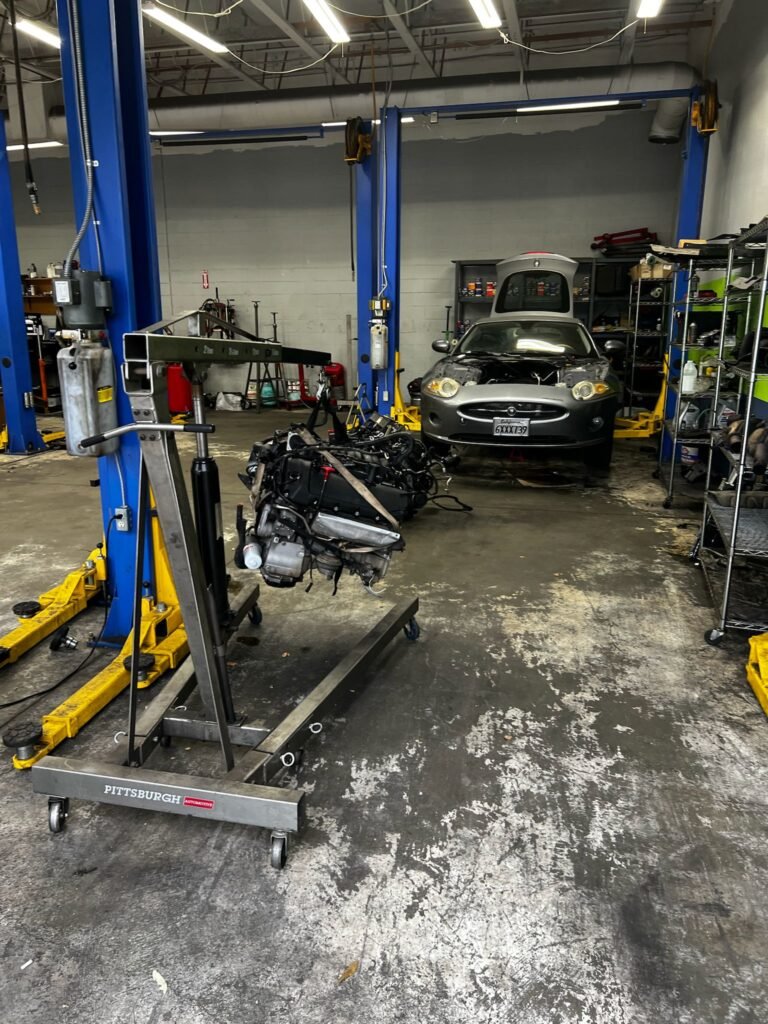
Maintaining a vehicle is more than just keeping it clean and fueled—it requires attention to its internal components to ensure optimal performance and longevity. One critical maintenance task that often gets overlooked by vehicle owners is oil changes. While traditional conventional oil has been the standard for decades, modern vehicles and driving demands have made full synthetic oil a superior choice for many car owners. In this article, we will explore the ins and outs of a full synthetic oil change at a car repair shop, why it matters, how it differs from conventional oil, and the benefits it offers.
Understanding Motor Oil
Motor oil is the lifeblood of any internal combustion engine. Its primary purpose is to lubricate moving parts, reduce friction, prevent overheating, and protect the engine from wear and tear. Over time, oil breaks down due to heat, contaminants, and oxidation, losing its effectiveness. This degradation can lead to engine damage, reduced fuel efficiency, and costly repairs if not addressed.
There are three main types of motor oil:
-
Conventional Oil – Derived directly from crude oil and refined for automotive use. It works well for older engines and routine driving but breaks down faster under extreme conditions.
-
Synthetic Blend Oil – A mixture of conventional oil and synthetic oil. It offers better performance than conventional oil, especially under stress, but does not provide the full benefits of fully synthetic oils.
-
Full Synthetic Oil – Engineered at the molecular level, full synthetic oil provides superior protection, performance, and longevity compared to conventional oils. It is designed to withstand extreme temperatures, reduce friction, and improve overall engine efficiency.
What is a Full Synthetic Oil Change?
A full synthetic oil change is the process of completely replacing the engine oil with full synthetic oil at recommended intervals. Unlike conventional oil, synthetic oil is chemically engineered to provide better protection, performance, and durability. During an oil change, the old oil is drained, the oil filter is replaced, and fresh synthetic oil is added to the engine.
Car repair shops follow specific procedures to ensure that the oil change is performed efficiently and correctly. This process is crucial because improper oil changes can lead to engine damage, decreased fuel efficiency, and shortened vehicle lifespan.
Benefits of Full Synthetic Oil
Full synthetic oil provides several significant advantages over conventional oils, making it an ideal choice for modern vehicles, high-performance engines, and drivers seeking long-term savings and reliability. Here are the primary benefits:
1. Superior Engine Protection
Full synthetic oil is formulated to resist breakdown under high temperatures and heavy loads. It forms a protective film over engine components, reducing friction and wear. This protection is especially important for turbocharged, high-performance, or modern engines, which operate at higher temperatures than older models.
2. Improved Performance in Extreme Temperatures
Whether you live in a scorching desert or freezing northern climate, full synthetic oil maintains its viscosity and effectiveness. Conventional oils can thicken in cold weather, making it harder for the engine to start and circulate oil. Conversely, full synthetic oil flows easily in cold temperatures and remains stable under heat.
3. Enhanced Fuel Efficiency
Friction between engine components reduces fuel efficiency. Because synthetic oil has a uniform molecular structure and lower friction properties, it helps the engine run more smoothly, reducing fuel consumption.
4. Extended Oil Change Intervals
Full synthetic oils generally last longer than conventional oils. While conventional oil may require a change every 3,000 to 5,000 miles, full synthetic oils can often go 7,500 to 10,000 miles—or even more, depending on the manufacturer’s recommendations. This reduces the frequency of oil changes, saving time and money in the long run.
5. Cleaner Engine
Synthetic oils contain fewer impurities and include additives that prevent sludge buildup, which can clog engine components and reduce efficiency. A cleaner engine operates more effectively and has a longer lifespan.
When to Change Full Synthetic Oil
Most vehicle manufacturers provide specific recommendations for oil change intervals in the owner’s manual. However, a few general guidelines can help:
-
Mileage-Based Intervals: Many full synthetic oils are rated for 7,500 to 10,000 miles. Check your car manufacturer’s guidelines to determine the appropriate interval for your specific vehicle.
-
Time-Based Intervals: Even if mileage hasn’t been reached, oil can degrade over time due to moisture, combustion byproducts, and oxidation. Typically, full synthetic oil should be changed every 6 to 12 months.
-
Driving Conditions: If you frequently drive in stop-and-go traffic, tow heavy loads, or drive in extreme climates, more frequent oil changes may be necessary.
Full Synthetic Oil Change Procedure at a Car Repair Shop
A professional car repair shop follows a standardized process to ensure that a full synthetic oil change is done safely and effectively. Here’s what typically happens:
1. Vehicle Inspection
Before changing the oil, the technician performs a quick inspection of the vehicle. They check for leaks, worn belts, fluid levels, and other potential issues. This step ensures that the oil change will not be hindered by existing problems.
2. Draining Old Oil
The technician raises the vehicle using a hydraulic lift or jack stands. The drain plug is removed, and the old oil is allowed to drain completely into a collection pan. Proper disposal of used oil is critical for environmental safety.
3. Replacing the Oil Filter
The oil filter is designed to trap contaminants and debris. A clogged or dirty filter can reduce oil flow and compromise engine protection. During a full synthetic oil change, the old filter is removed and replaced with a new, high-quality filter.
4. Adding Full Synthetic Oil
After draining the old oil and replacing the filter, the technician adds the recommended type and quantity of full synthetic oil. They ensure the correct oil grade and specifications based on the vehicle manufacturer’s guidelines.
5. Checking for Leaks and Final Inspection
The engine is started and allowed to run for a few minutes. The technician checks for leaks around the drain plug and oil filter, verifies oil pressure, and ensures that the oil level is correct. Any additional maintenance needs, such as topping off other fluids, are addressed at this time.
6. Record-Keeping and Recommendations
A reputable car repair shop documents the service, including the type of oil used, mileage, and date. Technicians often provide recommendations for future maintenance to keep the engine in top condition.
Choosing the Right Full Synthetic Oil
Not all synthetic oils are created equal. Selecting the right oil depends on your vehicle, driving habits, and manufacturer recommendations. Here are some factors to consider:
1. Viscosity
Viscosity refers to the thickness of the oil. It is represented by a code like 5W-30, where the first number indicates winter (cold) performance and the second indicates summer (hot) performance. Using the recommended viscosity ensures proper engine lubrication under all conditions.
2. Certification and Standards
Look for oils that meet the API (American Petroleum Institute) or ILSAC (International Lubricant Standardization and Approval Committee) standards. These certifications guarantee that the oil meets performance requirements for modern engines.
3. Additives
Synthetic oils often contain additives that reduce wear, prevent oxidation, clean the engine, and improve performance. Choose oils with the additives most relevant to your driving conditions.
Cost Considerations
While full synthetic oil is more expensive than conventional oil, the long-term benefits often outweigh the initial cost. Consider the following:
-
Initial Cost: Synthetic oil changes generally cost more per quart than conventional oil. A typical full synthetic oil change may cost $60–$100, depending on your vehicle and oil brand.
-
Extended Change Intervals: Since synthetic oil lasts longer, you change it less frequently, reducing overall maintenance costs.
-
Engine Longevity: By protecting the engine better and preventing damage, synthetic oil can save thousands of dollars in repairs over the vehicle’s lifetime.
-
Fuel Efficiency: Reduced engine friction can improve fuel economy, leading to additional savings over time.
Why Choose a Car Repair Shop for Full Synthetic Oil Changes
Many drivers consider changing oil themselves, but there are several reasons why a professional car repair shop is often the better choice:
1. Expertise and Experience
Professional technicians are trained to handle various vehicles, ensuring the correct oil type, viscosity, and quantity is used. They also inspect the engine for potential issues that an untrained eye might miss.
2. Proper Disposal
Used motor oil is hazardous and must be disposed of properly. Car repair shops follow environmental regulations for recycling and disposal, protecting the environment.
3. Warranty Compliance
Many vehicle warranties require maintenance records from certified shops. Having your oil change performed at a reputable car repair shop ensures your warranty remains valid.
4. Additional Services
Car repair shops often perform complementary checks during an oil change, such as fluid levels, tire pressure, battery health, and brake condition. This provides a more comprehensive maintenance approach.
Signs Your Vehicle Needs an Oil Change
Even with full synthetic oil, it’s essential to recognize signs that an oil change may be necessary sooner than scheduled. Look out for the following:
-
Oil Warning Light: Illuminates on the dashboard indicating low or degraded oil.
-
Engine Noise: Increased friction may cause knocking or ticking sounds.
-
Dirty or Dark Oil: Fresh oil is typically amber. Dark or gritty oil indicates contamination.
-
Reduced Fuel Efficiency: Dirty oil reduces engine efficiency, affecting mileage.
-
Overheating Engine: Oil helps regulate engine temperature; degraded oil may lead to overheating.
Common Myths About Synthetic Oil
Myth 1: Synthetic Oil Damages Older Engines
Truth: Full synthetic oil can benefit older engines by improving lubrication and reducing sludge buildup. Ensure your engine is in good condition and follow manufacturer recommendations.
Myth 2: Synthetic Oil Does Not Need Changing
Truth: Although synthetic oil lasts longer than conventional oil, it still degrades over time and requires periodic changes.
Myth 3: Synthetic Oil Is Only for High-Performance Cars
Truth: While high-performance cars benefit greatly from synthetic oil, everyday vehicles can also enjoy improved protection, cleaner engines, and better fuel economy.
Conclusion
A full synthetic oil change at a car repair shop is a smart investment in your vehicle’s performance, reliability, and longevity. From superior engine protection to improved fuel efficiency and extended change intervals, full synthetic oil provides benefits that conventional oil cannot match. By entrusting this service to a professional car repair shop, you ensure that the job is done correctly, safely, and in compliance with manufacturer standards.
Whether you drive a high-performance sports car, a modern family sedan, or a hardworking truck, a full synthetic oil change is essential for keeping your engine running smoothly. Regular maintenance, timely oil changes, and professional care help avoid costly repairs, improve efficiency, and enhance the driving experience. Choosing the right oil, understanding the benefits, and recognizing when a change is needed ensures your vehicle remains in optimal condition for years to come.
Invest in your vehicle today with a full synthetic oil change at a trusted car repair shop—your engine will thank you.