
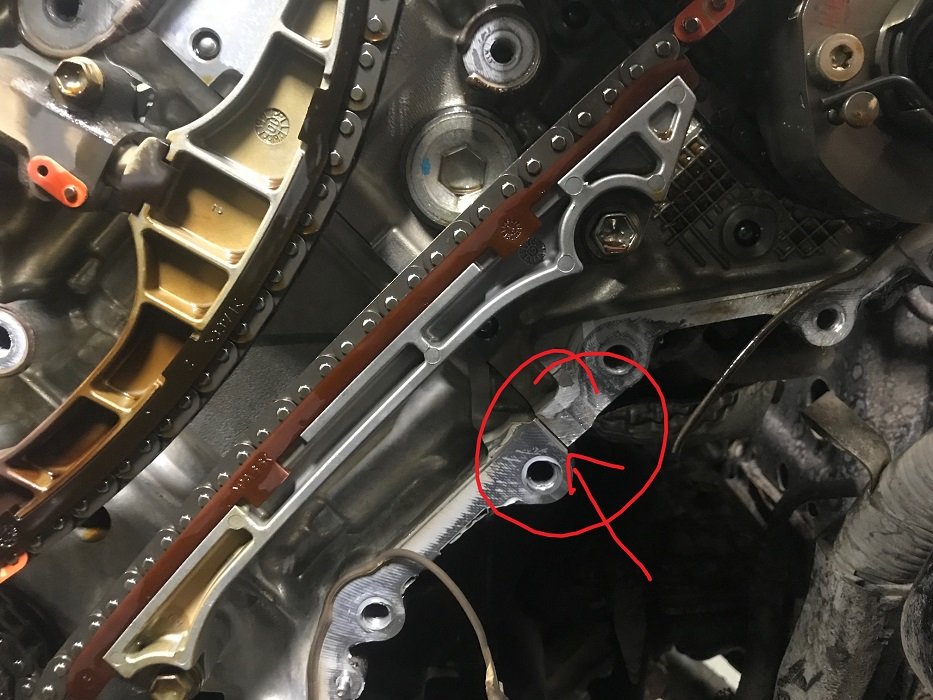
Timing Cover Gasket Leak Repair: A Comprehensive Guide
Introduction
The timing cover gasket is a crucial component in an internal combustion engine, sealing the timing cover to prevent oil leaks and contamination. Over time, this gasket can wear out, leading to oil leaks, engine performance issues, and potential damage if left unrepaired.
In this guide, we’ll cover:
-
What a timing cover gasket is and its function
-
Symptoms of a leaking timing cover gasket
-
Causes of timing cover gasket failure
-
Step-by-step repair process
-
Preventative maintenance tips
-
Cost estimates for repair
By the end, you’ll have a thorough understanding of how to diagnose and fix a timing cover gasket leak, whether you’re a DIY mechanic or seeking professional help.
1. What is a Timing Cover Gasket?
The timing cover gasket is a seal located between the engine block and the timing cover. Its primary functions include:
-
Preventing oil leaks – It keeps engine oil contained within the timing cover.
-
Protecting internal components – It prevents dirt and debris from entering the timing belt/chain area.
-
Maintaining proper lubrication – Ensures oil stays where it’s needed for the timing system.
Types of Timing Cover Gaskets
-
Rubber gaskets – Common in modern engines, flexible and durable.
-
Cork gaskets – Older vehicles, less common today.
-
Silicone/RTV gaskets – Sometimes used as a sealant in place of pre-formed gaskets.
2. Symptoms of a Timing Cover Gasket Leak
A failing timing cover gasket can cause several noticeable issues:
A. Oil Leaks Under the Vehicle
-
Puddles of oil beneath the engine, usually near the front.
-
Oil dripping from the timing cover area.
B. Burning Oil Smell
-
Leaking oil can drip onto hot engine parts, producing a burnt oil odor.
C. Low Engine Oil Levels
-
Frequent need to top off oil due to slow leaks.
D. Engine Overheating
-
Oil loss reduces lubrication, increasing friction and heat.
E. Contaminated Timing Belt/Chain
-
Oil seepage can degrade rubber timing belts or attract debris to chains.
F. Visible Oil Residue on the Timing Cover
-
Greasy buildup around the timing cover indicates a leak.
3. Causes of Timing Cover Gasket Failure
Several factors contribute to timing cover gasket leaks:
A. Age and Wear
-
Over time, rubber gaskets harden and crack.
B. Poor Installation
-
Improper torque or misalignment during replacement can cause leaks.
C. Excessive Heat and Pressure
-
High engine temperatures degrade gasket material.
D. Oil Contamination
-
Dirty or degraded oil can accelerate gasket wear.
E. Engine Vibrations and Stress
-
Constant movement can weaken the seal over time.
4. How to Diagnose a Timing Cover Gasket Leak
Before proceeding with repairs, confirm the leak source:
Step 1: Inspect for Oil Residue
-
Check around the timing cover for wet or greasy spots.
Step 2: Clean the Area
-
Use degreaser to remove old oil, then run the engine to spot fresh leaks.
Step 3: Check Other Potential Leak Sources
-
Valve cover gasket, front crankshaft seal, or oil pan gasket leaks can mimic timing cover leaks.
Step 4: Use UV Dye (Optional)
-
Add UV dye to engine oil, run the engine, then use a UV light to trace the leak.
5. Timing Cover Gasket Replacement: Step-by-Step Guide
Replacing a timing cover gasket is a moderate to advanced DIY job. Here’s a detailed breakdown:
Tools & Materials Needed
-
New timing cover gasket (OEM or high-quality aftermarket)
-
Gasket scraper & solvent
-
Torque wrench
-
Socket set & wrenches
-
Oil drain pan
-
RTV silicone (if required)
-
Timing belt/chain tools (if removal is necessary)
Step 1: Disconnect the Battery
-
Prevent electrical shorts by disconnecting the negative terminal.
Step 2: Drain Engine Oil & Coolant (If Needed)
-
Some engines require coolant drainage if the water pump is attached to the timing cover.
Step 3: Remove Accessory Components
-
Serpentine belt, alternator, power steering pump, or other obstructing parts.
Step 4: Remove the Harmonic Balancer
-
Use a pulley puller to remove the crankshaft pulley.
Step 5: Remove Timing Belt/Chain (If Required)
-
Some engines require timing component removal to access the cover.
-
Note: Mark timing alignment before disassembly!
Step 6: Unbolt the Timing Cover
-
Carefully remove bolts, noting their positions for reassembly.
Step 7: Clean the Sealing Surfaces
-
Remove old gasket material with a scraper and solvent.
Step 8: Install the New Gasket
-
Apply a thin layer of RTV silicone if recommended.
-
Position the new gasket properly.
Step 9: Reassemble Components
-
Reinstall the timing cover, torque bolts to spec.
-
Reinstall timing belt/chain (ensure proper alignment).
-
Reattach harmonic balancer and accessories.
Step 10: Refill Fluids & Test
-
Add fresh oil and coolant.
-
Start the engine and check for leaks.
6. Preventative Maintenance Tips
To extend the life of your timing cover gasket:
-
Use high-quality oil – Prevents sludge buildup.
-
Replace gaskets during timing service – If the timing belt/chain is being replaced, consider a new gasket.
-
Avoid overtightening bolts – Prevents gasket distortion.
-
Regular inspections – Check for early signs of leaks.
7. Cost of Timing Cover Gasket Repair
The repair cost varies based on labor and vehicle model:
A. DIY Cost
-
Gasket: 20–50
-
Tools/Supplies: 50–100 (if needed)
B. Professional Repair Cost
-
Labor: 300–800 (varies by engine complexity)
-
Parts: 50–150
-
Total: 350–950
Conclusion
A leaking timing cover gasket can lead to serious engine issues if ignored. Recognizing symptoms early and performing timely repairs can save you from costly damage. While the repair is labor-intensive, a methodical approach ensures success.
If you’re uncomfortable with DIY repairs, consult a professional mechanic to avoid timing-related engine damage. Regular maintenance and inspections will help prevent future leaks and keep your engine running smoothly.