
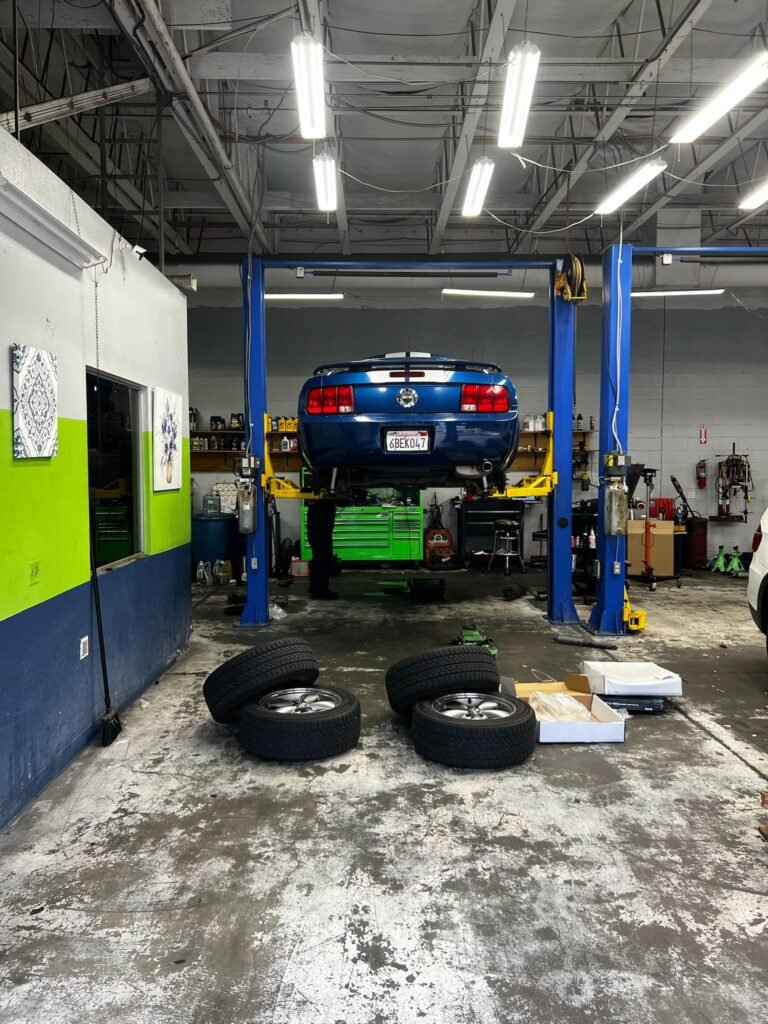
Maintaining a vehicle is much more than just filling the tank with fuel and washing it every so often. Proper maintenance is crucial to ensure the longevity, safety, and performance of your automobile. One of the most essential services for vehicle upkeep is a tune-up, often provided by professional automobile repair shops. In this article, we will explore everything you need to know about tune-ups—from their importance and components to tips for choosing the right auto repair shop.
What is a Tune-Up?
A tune-up is a preventive maintenance procedure designed to keep a vehicle running efficiently. While the term has evolved over the years, the core goal remains the same: to optimize engine performance, improve fuel efficiency, and prevent breakdowns.
In older cars, a tune-up often referred to replacing spark plugs, adjusting the carburetor, and checking ignition timing. Modern vehicles, however, are equipped with advanced electronic systems, making tune-ups more comprehensive and technology-driven. Today’s tune-ups may involve inspections, replacements, and system diagnostics.
Importance of Regular Tune-Ups
Regular tune-ups are vital for several reasons:
-
Enhanced Engine Performance: A well-maintained engine runs smoother and more efficiently. Tune-ups address issues like misfires, rough idling, and sluggish acceleration.
-
Improved Fuel Efficiency: A poorly tuned engine consumes more fuel. Replacing worn spark plugs, cleaning fuel injectors, and adjusting ignition systems can significantly improve mileage.
-
Prolonged Vehicle Lifespan: Routine maintenance prevents premature wear and tear, extending the life of the engine and other components.
-
Emission Control: Older or misfiring engines may emit excessive pollutants. Tune-ups ensure the vehicle meets emission standards.
-
Preventative Care: Identifying minor issues early can prevent costly repairs down the road, saving money and avoiding breakdowns.
Components of a Tune-Up
A standard tune-up can vary based on the vehicle’s make, model, and age. However, most comprehensive tune-ups include the following components:
1. Spark Plugs and Ignition System
Spark plugs ignite the air-fuel mixture in the engine. Worn-out plugs can cause misfires, engine hesitation, and poor fuel economy. During a tune-up, technicians inspect and replace spark plugs, wires, and coils if necessary.
2. Air Filter
The air filter prevents dirt, dust, and debris from entering the engine. A clogged air filter reduces performance and fuel efficiency. Replacing the air filter ensures optimal airflow and combustion.
3. Fuel System
Fuel injectors and filters play a crucial role in delivering fuel to the engine. Over time, injectors may become clogged, and fuel filters may collect debris. Cleaning or replacing these components restores smooth fuel flow.
4. Timing and Belts
Timing belts and chains synchronize engine components for proper operation. A worn or broken timing belt can cause severe engine damage. Mechanics inspect belts, pulleys, and tensioners during a tune-up.
5. Fluids and Lubrication
Proper fluid levels are essential for engine health. During a tune-up, mechanics check and top up oil, coolant, brake fluid, and transmission fluid. Regular fluid replacement reduces friction, prevents overheating, and enhances performance.
6. Battery and Electrical System
A tune-up often includes inspecting the battery, terminals, and alternator. Corroded terminals or a weak battery can lead to starting problems. Testing the electrical system ensures reliable ignition and operation of electronic components.
7. Engine Diagnostics
Modern vehicles rely heavily on onboard computers. Mechanics use diagnostic tools to read error codes, detect faulty sensors, and ensure the engine management system is functioning properly.
How Often Should You Get a Tune-Up?
The frequency of tune-ups depends on several factors: vehicle type, mileage, and driving conditions. Here are general guidelines:
-
Every 30,000 miles: For most modern vehicles, a comprehensive tune-up is recommended every 30,000 miles.
-
Older vehicles: Cars manufactured before 2000 may require tune-ups every 15,000 to 20,000 miles.
-
Severe driving conditions: Frequent short trips, stop-and-go traffic, or driving in dusty environments may necessitate more frequent tune-ups.
Regular inspections, even between tune-ups, help identify issues before they become serious problems.
Signs Your Car Needs a Tune-Up
It’s not always easy to determine when your vehicle needs a tune-up. However, some common indicators include:
-
Rough Idling: Engine shakes or vibrates while idling.
-
Decreased Fuel Efficiency: Noticing a drop in miles per gallon.
-
Engine Misfires or Hesitation: Engine stalls, backfires, or hesitates during acceleration.
-
Check Engine Light: Illuminated warning light indicates a system error.
-
Difficulty Starting: Engine struggles to start or requires multiple attempts.
-
Unusual Noises: Knocking, pinging, or other abnormal sounds from the engine.
If you notice any of these signs, visiting a professional auto repair shop promptly can prevent further damage.
Choosing the Right Automobile Repair Shop
Selecting the right repair shop is crucial for a quality tune-up. Here are key factors to consider:
1. Certification and Expertise
Look for shops with certified mechanics (ASE-certified in the U.S.). Experienced technicians ensure that your vehicle receives proper care.
2. Range of Services
A good shop should provide a full range of services, including engine diagnostics, fluid replacement, battery testing, and belt inspections.
3. Customer Reviews and Reputation
Online reviews, testimonials, and word-of-mouth recommendations can give insights into the reliability and professionalism of a repair shop.
4. Transparent Pricing
Reputable shops provide clear estimates before work begins. Avoid shops that offer vague pricing or surprise charges.
5. Warranty and Guarantees
A trustworthy repair shop offers warranties on parts and labor, providing peace of mind.
6. Technology and Equipment
Modern vehicles require advanced diagnostic tools. Shops equipped with up-to-date technology can identify and resolve issues more efficiently.
Benefits of Professional Tune-Ups
While DIY tune-ups are possible for some basic tasks, professional services offer several advantages:
-
Expert Knowledge: Certified technicians understand the complexities of modern engines.
-
Comprehensive Inspection: Professionals can detect hidden problems that may go unnoticed.
-
High-Quality Parts: Authorized shops use quality OEM or equivalent parts, ensuring durability.
-
Time-Saving: A professional tune-up is faster and more efficient than attempting repairs yourself.
-
Safety Assurance: Properly maintained vehicles are safer for drivers and passengers.
DIY Tune-Up vs. Professional Tune-Up
For enthusiasts who enjoy hands-on maintenance, minor tasks like replacing air filters or spark plugs can be done at home. However, certain tasks require specialized tools, knowledge, and safety precautions.
DIY Tune-Up Pros:
-
Cost-effective for small tasks
-
Convenience at home
-
Learning experience for car enthusiasts
Professional Tune-Up Pros:
-
Comprehensive diagnostics and repair
-
Access to quality tools and parts
-
Ensures warranty compliance
-
Reduces risk of mistakes that could damage the engine
For most vehicle owners, combining DIY upkeep with periodic professional tune-ups is the best approach.
Cost of a Tune-Up
The cost of a tune-up varies depending on the type of vehicle, the components involved, and the repair shop location. Here’s a general breakdown:
-
Basic Tune-Up: $100–$200
-
Comprehensive Tune-Up: $200–$500
-
Luxury or High-Performance Vehicles: $500–$1,000+
While cost is an important factor, quality should never be compromised. Investing in a thorough tune-up saves money by preventing major repairs in the long run.
Seasonal Tune-Ups
Certain seasons can affect vehicle performance. For instance:
-
Winter Tune-Ups: Check battery, heater, antifreeze, and tire pressure to handle cold conditions.
-
Summer Tune-Ups: Inspect the cooling system, air conditioning, and belts to prevent overheating.
-
Rainy or Monsoon Season: Check brakes, tires, and wipers for safety in wet conditions.
Seasonal tune-ups help ensure the vehicle operates optimally year-round.
Eco-Friendly Tune-Ups
Modern tune-ups also consider environmental impact. Maintaining a vehicle properly reduces emissions, conserves fuel, and contributes to cleaner air. Using eco-friendly fluids and ensuring proper disposal of old parts further minimizes environmental harm.
Innovations in Auto Tune-Ups
Automobile repair shops are adopting new technologies to enhance tune-up efficiency:
-
Computerized Diagnostics: Identifies engine issues faster than manual inspection.
-
Advanced Fuel Injection Systems: Precision cleaning improves performance and reduces emissions.
-
Hybrid and Electric Vehicle Tune-Ups: Specialized services cater to electric drivetrains and battery systems.
-
Predictive Maintenance Tools: Sensors and telematics can alert drivers to maintenance needs before problems occur.
These innovations ensure that vehicles remain efficient, reliable, and environmentally friendly.
Tips to Maintain Vehicle Between Tune-Ups
Even between professional tune-ups, vehicle owners can adopt habits to extend engine life:
-
Regularly check and replace engine oil.
-
Monitor tire pressure and tread wear.
-
Keep the fuel system clean with periodic fuel additives.
-
Inspect belts, hoses, and fluids monthly.
-
Drive responsibly to reduce engine strain.
Small steps go a long way in preventing major issues and keeping your car performing optimally.
Conclusion
A tune-up is more than just a routine maintenance task—it is an investment in the longevity, performance, and safety of your vehicle. From spark plugs to engine diagnostics, each component plays a crucial role in ensuring smooth operation. Choosing the right automobile repair shop and following a regular maintenance schedule will not only enhance fuel efficiency and engine performance but also prevent costly repairs and potential safety hazards.
Whether you are a seasoned driver or a new vehicle owner, understanding the significance of tune-ups and incorporating them into your maintenance routine is essential. With proper care, your automobile will remain a reliable companion on every journey for years to come.