
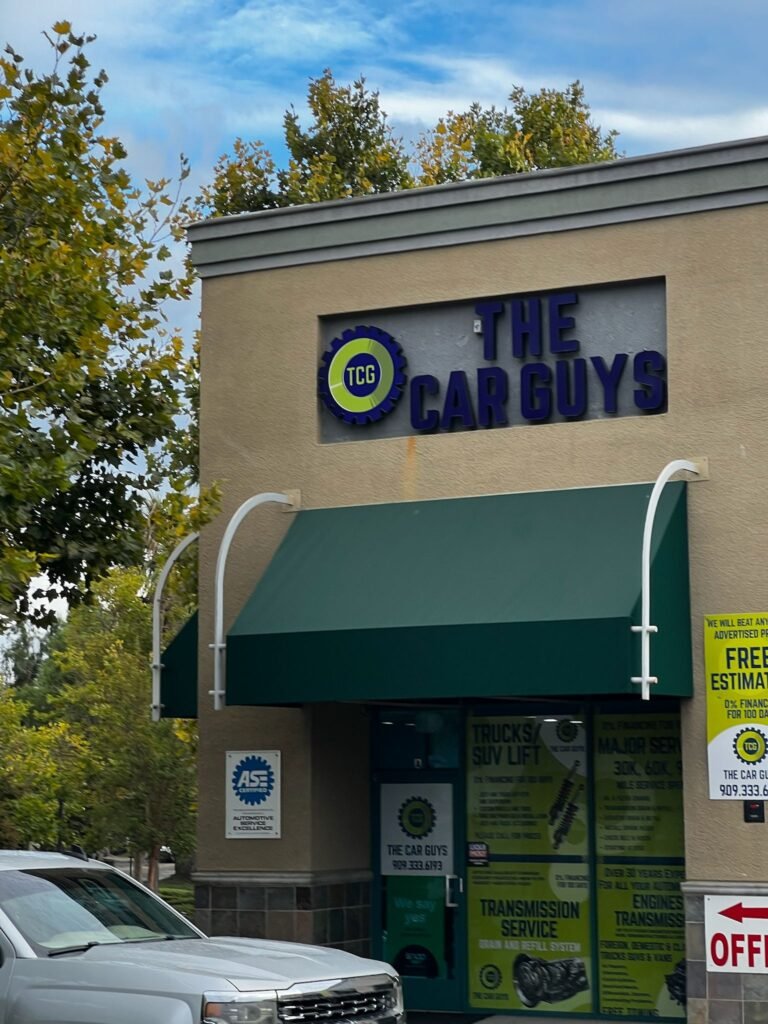
When your car starts to feel like it’s losing a little pep in its step — sluggish acceleration, rough idling, reduced fuel economy, or dashboard lights flickering — it’s probably time for a tune-up. Whether you’ll search “tune up near me,” “car fixing places near me,” or “auto tune-up service,” this guide tells you everything you need to know: what a tune-up includes today, why it matters, how much it typically costs, how to choose the right local shop, what questions to ask, a pre-appointment checklist, and answers to the most common FAQs.
Why a tune-up still matters (even for modern cars)
Modern cars are more reliable and sophisticated than cars from decades past, but that doesn’t mean they’re maintenance-free. A tune-up:
-
Keeps the engine running efficiently. Replacing worn parts like spark plugs, air filters, and fuel filters helps combustion stay clean and complete — which improves power and fuel economy.
-
Prevents small problems from becoming expensive repairs. Catching worn ignition components, sensor drift, or a dirty throttle body early avoids breakdowns and costly replacements.
-
Reduces emissions and helps pass inspections. A properly tuned engine burns fuel cleaner.
-
Extends vehicle lifespan. Consistent care reduces stress on engine and drivetrain components over time.
-
Improves safety and drivability. Reliable starts, smooth idling, and consistent acceleration are safer and less stressful.
Even fully computerized engines benefit from routine checks — sensors, ignition systems, and fuel system health still require inspection and occasional replacement. A tune-up is preventive medicine for your car.
What “tune-up” means today — components and services commonly included
There isn’t a single universal standard for a tune-up; packages vary by vehicle age, make, model, and the shop’s approach. But a modern tune-up commonly includes some or all of the following:
1. Ignition system
-
Spark plugs: inspection and replacement if needed (typically every 30k–120k miles depending on plug type).
-
Ignition coils and wires (if equipped): testing and replacement when faulty. Modern cars often have coil-on-plug setups that may need individual coil replacement.
2. Fuel system
-
Fuel filter replacement (older models; many modern cars have lifetime filters in the tank).
-
Fuel injector cleaning or service to restore spray pattern and flow.
-
Fuel system inspection for pressure and leak checks.
3. Air intake & engine breathing
-
Engine air filter replacement — a dirty filter robs power and economy.
-
PCV valve check/replacement.
-
Intake cleaning / throttle body cleaning when idle or throttle response is affected.
4. Fluids & basic maintenance
-
Engine oil and oil filter change (often combined with a tune-up).
-
Coolant, brake fluid, transmission fluid checks and top-ups.
-
Battery test and terminal cleaning.
-
Belts and hoses inspection for wear, cracking, or leaks.
5. Sensors & electronics
-
Oxygen sensors, MAF (mass air flow) sensors, and engine sensors testing if diagnostics suggest trouble.
-
On-board diagnostics (OBD-II) scan to clear codes and identify intermittent faults.
6. Inspection & adjustments
-
Throttle position and idle adjustments (if applicable).
-
Valve lash adjustment on older or certain engines where it’s serviceable.
-
Timing checks — mostly on older vehicles with adjustable timing.
7. Road test
-
A professional road test to verify drivability, noise, and the effectiveness of performed services.
Shops often offer tiered packages — “basic,” “standard,” and “comprehensive” tune-ups — so you can pick what your car needs.
Typical tune-up costs (what to expect)
Costs vary widely depending on your vehicle and location, but here are ballpark ranges you can use when searching “tune up near me.”
-
Basic inspection + spark plug check: $50–$150
-
Spark plug replacement (labor + parts): $100–$300 (higher if plugs are expensive or access is difficult)
-
Full standard tune-up (plugs, filter, fluids, inspection): $150–$450
-
Comprehensive tune-up (injector cleaning, coil replacement, multiple sensors): $300–$900+
Factors that change price:
-
Vehicle make/model: Luxury / imported cars and some late-model engines have higher parts & labor costs.
-
Accessibility: Engines that require removing parts to reach plugs or coils increase labor time.
-
Parts quality: OEM parts cost more than aftermarket options; iridium or platinum plugs cost more than copper.
-
Local labor rates: Urban areas or dealership shops usually charge higher hourly labor rates.
When you call local shops, ask for a written estimate that breaks out parts and labor. That helps compare quotes and avoid surprises.
How to choose the right “car fixing place near me” for a tune-up
Searching “tune up near me” will return many options. Here’s a step-by-step process to choose a reputable shop:
1. Define what you need
Is it a quick spark plug replacement? A full tune-up with fuel system service? Knowing this helps get accurate estimates.
2. Check credentials
-
ASE certification (Automotive Service Excellence) for technicians is a good sign.
-
Manufacturer training or certifications if you drive a brand with complex systems (e.g., BMW, Mercedes, Toyota).
-
Shop certifications (e.g., AAA approved) add credibility.
3. Read reviews, but read selectively
-
Look for patterns in reviews rather than single comments. Consistent praise for honesty and thoroughness matters more than one glowing review.
-
Watch for repeated complaints about hidden fees, missed deadlines, or poor communication.
4. Ask about warranties
Quality shops typically offer warranties on parts and labor (30–90 days or more). Ask what’s covered and how claims are handled.
5. Compare written estimates
A responsible shop will provide a breakdown: parts, labor hours, and any recommended additional services. Beware vague quotes like “tune-up — $200” with no details.
6. Inspect the shop (if possible)
A clean, organized shop with modern diagnostic tools is usually a better bet than a cluttered, poorly equipped garage.
7. Ask questions
Good questions to ask:
-
What’s included in your tune-up package?
-
Will you do an OBD-II scan and road test?
-
What parts will you replace (brand/type)?
-
How long will the service take and what warranty do you offer?
8. Consider independent vs dealership
-
Dealerships: Brand expertise, OEM parts, possibly higher cost.
-
Independent shops: Often lower prices, personalized service, many have highly skilled ASE-certified techs. Choose based on reputation and not just price.
Pre-appointment checklist — what to bring and prepare
Before going to your local shop:
-
Know your vehicle details: Year, make, model, engine size, and current mileage. This speeds up the estimate.
-
Bring your vehicle manual and any service records — that helps determine what’s already been done.
-
List symptoms: When did the issue start? Under what conditions (cold start, idling, acceleration)? The more specific, the better.
-
Confirm whether your car is under warranty or part of an extended service plan that might cover certain parts.
-
Ask about shuttle service or loaner cars if you need to be without your vehicle.
-
Remove personal items from the car (shops prefer empty vehicles).
-
If you have a specific part preference (OEM vs aftermarket), state that upfront.
What to expect during the appointment
A professional tune-up visit will generally follow these steps:
-
Initial inspection & communication: The service advisor confirms your concerns and the planned services.
-
Vehicle intake: Technician performs a visual inspection and connects diagnostics (OBD-II scanner).
-
Parts replacement & service: Spark plugs, air filter, fuel filter, fluids, injectors cleaning, etc., per the selected package.
-
Testing: OBD codes rechecked, electrical and sensor testing performed.
-
Road test: Technician verifies performance and no new noises or issues.
-
Final report: Shop provides a written invoice, lists completed work, and notes recommended future services.
A good shop will contact you before doing any additional repairs beyond the estimate.
Common problems a tune-up can solve
-
Hard starting or rough starting: Often due to weak spark, dirty fuel injectors, or a failing fuel pump.
-
Rough idle or stalling: Dirty throttle body, vacuum leak, or worn plugs/coils.
-
Poor acceleration or misfires: Ignition coil failure, fouled plugs, or clogged fuel injectors.
-
Decreased fuel economy: Dirty filters, bad oxygen sensors, or inefficient fuel delivery.
-
Check Engine Light (CEL): A tune-up may resolve simple CEL triggers (misfires, EVAP issues, sensor drift), but persistent codes may require deeper diagnostics.
Local SEO tips if you’re a shop or writing content for “tune up near me”
If your goal is to rank for “tune up near me” searches (local marketing), follow these best practices:
-
Use local keywords naturally: “Tune-up in [City],” “Car tune-up near me,” “auto tune up [neighborhood].”
-
Create service pages for each key offering (spark plugs, fuel service, full tune-up) and include pricing ranges and FAQs.
-
Showcase reviews and testimonials with names and locations (when permitted). Encourage customers to leave reviews on Google and Yelp.
-
List your shop in local directories and claim your Google Business Profile (accurate hours, phone, address, photos).
-
Include structured data (schema) on your website for local business and services.
-
Publish helpful content — the kind of article you’re reading — to answer customer questions and build authority.
-
Offer online booking and clear estimates to reduce friction and increase conversions.
-
Use images and short videos showing the shop, technicians at work, and before/after service (people trust transparency).
-
Mobile-friendly site and fast load times—most “near me” searches happen on mobile.
-
Local links and partnerships: Connect with local businesses, auto parts suppliers, and community organizations to build local backlinks.
Environmental and fuel economy benefits
A well-tuned engine burns cleaner, which reduces CO₂ and other pollutant output. Replacing clogged filters and correcting fuel/air mixture can improve fuel economy — in some cases up to several miles per gallon — which saves you money over time and reduces your carbon footprint. Many modern shops also offer responsible disposal and recycling of used oil, filters, and batteries.
DIY vs professional tune-up — what you can realistically do at home
Some tune-up items are friendly to DIYers; others require tools and experience.
DIY tasks suitable for many car owners:
-
Replacing the engine air filter (often clips or screws).
-
Replacing cabin air filter (improves HVAC performance).
-
Changing spark plugs — possible if you have basic tools and vehicle access, but be careful with torque and gap specs.
-
Replacing battery and cleaning terminals.
-
Replacing wiper blades and checking tire pressures.
When to go to a pro:
-
Ignition coil replacements on modern engines where coils are hard to access.
-
Fuel injector cleaning with chemical service or flow testing — pros have ultrasonic cleaners or pressurized systems.
-
Sensor testing and replacement (oxygen sensors, MAF sensors) — requires diagnostics.
-
Complex electrical issues and intermittent faults.
-
Vehicles under warranty — DIY could void warranty or cause issues with claims.
If you do DIY, always consult the owner’s manual for recommended parts, torque specs, and service intervals.
Frequently asked questions (FAQs)
Q: How often should I get a tune-up?
A: It depends on your vehicle and what you include. Basic inspections can be annual or every 10k–15k miles. Spark plugs may need replacement anywhere between 30k and 120k miles depending on plug type. Follow the manufacturer’s maintenance schedule in your owner’s manual and supplement with symptom-based checks.
Q: Will a tune-up fix a Check Engine Light?
A: Possibly — if the CEL is triggered by ignition misfires, a fouled plug, or a diagnosable fuel delivery issue. If the light is due to a sensor failure or emissions system fault, additional diagnosis is required.
Q: Is a tune-up necessary for hybrid or electric vehicles?
A: Hybrids still have internal combustion engines that require tune-ups. Fully electric vehicles do not require tune-ups for engine components (no spark plugs, fuel injectors), but they do require other maintenance (battery cooling system, brakes, software updates).
Q: How long does a tune-up take?
A: Basic tune-ups may take 1–2 hours. Comprehensive services can take half a day or more, depending on parts availability and complexity.
Q: Can I use aftermarket parts for a tune-up?
A: Yes — quality aftermarket parts often work fine and are less expensive. Ask the shop whether they use OEM or aftermarket parts and whether aftermarket parts affect any warranties.
Q: Should I replace all spark plugs at once?
A: Yes. Replacing only one or two plugs can mask issues and lead to uneven performance. Replace plugs in all cylinders at the same time.
Red flags to watch for in a shop
-
Vague estimates or reluctance to put costs in writing.
-
Pressure to agree to expensive extras immediately without explaining why.
-
Unexplained long turnaround times without status updates.
-
Refusal to show replaced parts when requested (shops should show you old parts).
-
No diagnostics before recommending parts replacement.
A trustworthy shop communicates clearly, documents the work done, and provides a warranty.
Sample tune-up plan by vehicle age/mileage
Low mileage / newer cars (0–50k miles)
-
Engine air filter inspection/replacement.
-
Spark plugs inspection (replace if due).
-
OBD-II scan and battery test.
-
Fluids check (oil, coolant, brake fluid).
-
Tire pressure & basic safety inspection.
Midlife vehicles (50k–100k miles)
-
Replace spark plugs (if service interval reached).
-
Clean or replace fuel filter (if serviceable).
-
Fuel injector cleaning.
-
Replace air filter and cabin filter.
-
Inspect belts, hoses, brakes, and suspension.
High mileage (100k+ miles)
-
Full tune-up: plugs, coils (if needed), fuel system service.
-
Compression check (if experiencing power loss).
-
Coolant system flush and inspection.
-
Thorough inspection of drivetrain and transmission for wear.
After the tune-up — monitoring and follow-up
-
Keep the invoice and any replaced parts — they’re useful for warranty claims and resale.
-
Pay attention for return of symptoms — if you notice the same issues, return to the shop and explain what’s happening. Most warranties cover rework.
-
Log the service in a maintenance record (paper or digital). This improves resale value and helps track recurring problems.
-
Ask the shop for preventive items to watch for your next service interval.
Real value: when a tune-up is an investment, not an expense
A properly performed tune-up can:
-
Save money at the pump with improved fuel economy.
-
Reduce the chance of breakdowns that leave you stranded or require towing.
-
Keep emissions low and help pass inspections.
-
Preserve resale value through documented maintenance.
Compare the tune-up cost to the potential cost of replacing a failed catalytic converter (thousands), a bad oxygen sensor, or repairing engine damage from neglected maintenance. Preventive maintenance almost always wins financially over time.
Final checklist — calling or visiting “tune up car fixing places near me”
-
Know your vehicle: year, make, model, engine, mileage.
-
Identify symptoms and write them down.
-
Ask shops for a written estimate with parts and labor separated.
-
Verify technician certifications and warranty policy.
-
Read recent reviews for consistency (not single reviews).
-
Ask whether an OBD-II scan, road test, and final written report are included.
-
Request parts brand preference if you have one (OEM vs aftermarket).
-
Confirm turnaround time and whether shuttle/loaner options exist.
-
Keep records of the service and replaced parts.
-
Monitor performance after the tune-up and follow up if symptoms persist.
Conclusion
A tune-up is one of the most cost-effective ways to keep your car reliable, efficient, and safe. Whether you search “tune up near me” or walk into a local repair shop, understanding what modern tune-ups include, how pricing works, and how to choose a trustworthy local shop empowers you to make good decisions for your vehicle. Preventive maintenance returns its cost many times over — in saved fuel, fewer repairs, and a longer-lasting car.