
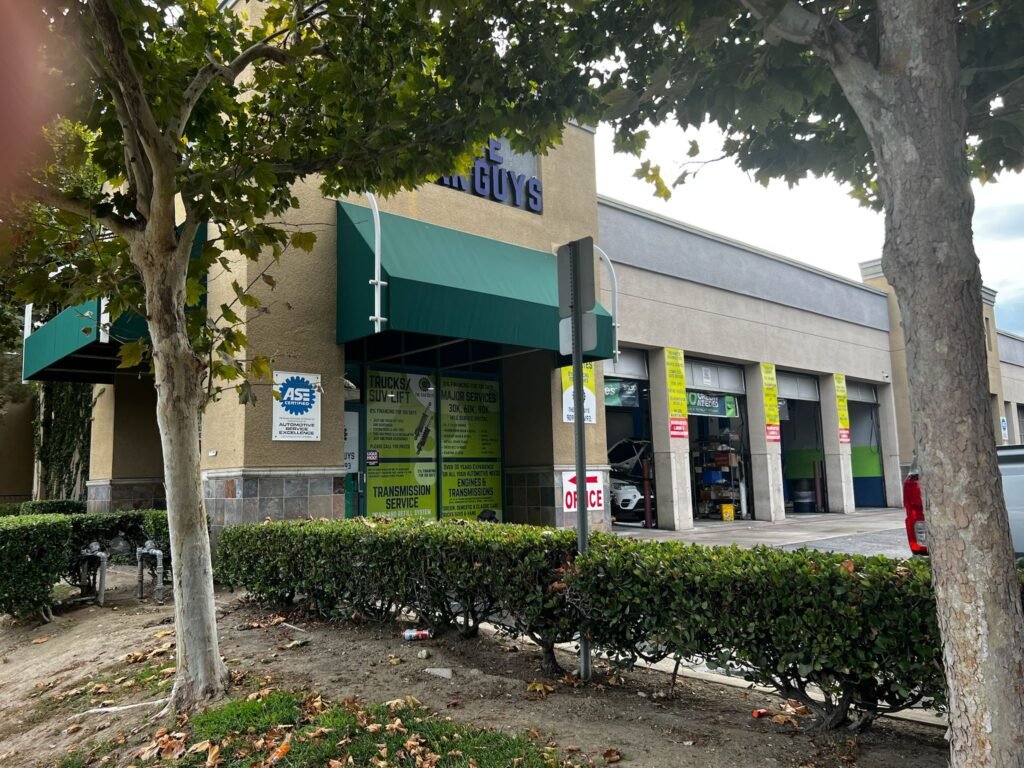
Your vehicle is more than just a mode of transportation — it’s an essential part of your daily life. Whether you rely on it for commuting, errands, or long road trips, keeping it running smoothly is crucial. One of the best ways to ensure your car performs efficiently, lasts longer, and saves you money in the long run is through regular tune-ups.
If you’ve recently searched for “Tune UP – Repair Car near me,” you’re likely looking for trusted professionals who can inspect, maintain, and restore your vehicle’s performance. This comprehensive guide will explain everything you need to know about car tune-ups, what they include, how often you need one, what signs indicate it’s time for service, and how to find the best repair shops near you.
1. What Is a Tune-Up?
A car tune-up is a series of maintenance procedures designed to keep your vehicle’s engine running efficiently and reliably. While modern vehicles with advanced technology require fewer tune-ups than older cars, regular inspections and part replacements are still vital for optimal performance.
Traditionally, a tune-up focused on replacing parts like spark plugs, distributor caps, ignition wires, and air filters. However, today’s tune-up services have evolved to include a wide range of diagnostics and checks to ensure your engine and related systems are working perfectly.
A modern tune-up service might include:
-
Replacing spark plugs and coils
-
Cleaning or replacing the air filter and fuel filter
-
Checking and adjusting ignition timing
-
Inspecting belts and hoses for wear and tear
-
Checking and topping off fluids
-
Cleaning the throttle body and fuel injectors
-
Running diagnostics to identify any engine performance issues
The goal of a tune-up is to restore power, improve fuel economy, reduce emissions, and prevent future breakdowns.
2. Why Tune-Ups Are Essential for Your Vehicle
You might think that as long as your car starts and drives fine, everything is okay. However, even small issues—like a dirty air filter or worn spark plugs—can gradually affect your car’s performance and fuel efficiency. Over time, neglecting maintenance can lead to costly repairs.
Here are several reasons why regular tune-ups are essential:
a. Improved Fuel Efficiency
Replacing worn spark plugs or cleaning the fuel system helps your engine burn fuel more efficiently. This means you get better mileage and save money at the pump.
b. Extended Engine Life
Tune-ups help identify potential issues before they cause major damage. Replacing minor components on time prevents strain on your engine and extends its lifespan.
c. Reduced Emissions
A well-maintained engine burns fuel cleanly, which helps reduce harmful emissions. This not only benefits the environment but also ensures your car passes emissions testing.
d. Enhanced Performance
If your car feels sluggish, stalls, or has trouble accelerating, a tune-up can help restore the lost power and responsiveness.
e. Prevents Breakdowns
Preventive maintenance during tune-ups helps avoid unexpected breakdowns that can leave you stranded or result in expensive towing and repairs.
3. Signs Your Car Needs a Tune-Up
Every vehicle has unique needs based on age, mileage, and driving conditions. However, certain warning signs indicate it might be time for a tune-up.
Watch out for these symptoms:
-
Poor fuel economy: If your car is burning more gas than usual, inefficient combustion or clogged filters could be the culprit.
-
Rough idling or stalling: Your car should run smoothly when stopped. If it shakes or stalls, your ignition or fuel system might need attention.
-
Difficulty starting: Hard starts can result from weak spark plugs, dirty injectors, or a failing ignition system.
-
Reduced acceleration: If your vehicle feels less responsive, it’s often a sign of ignition or air-fuel system issues.
-
Check engine light: A glowing or flashing check engine light signals a problem that could often be addressed with a tune-up.
-
Unusual noises: Knocking, pinging, or sputtering sounds are red flags for combustion or timing issues.
-
Vibrations or misfires: These are often caused by worn spark plugs, faulty ignition coils, or dirty injectors.
-
Strong exhaust odor: If your exhaust smells bad or looks darker, your engine might be burning fuel inefficiently.
If you notice any of these, searching for “Tune UP – Repair Car near me” and visiting a trusted local auto repair shop is your best move.
4. What’s Included in a Professional Tune-Up
Modern tune-ups go beyond just replacing spark plugs. A full-service tune-up involves several inspections, replacements, and adjustments that vary depending on your car’s make, model, and age.
Here’s a detailed breakdown of what most professional auto shops include:
A. Engine System Inspection
Technicians will check components like the ignition system, fuel injectors, timing, and engine sensors to ensure proper operation.
B. Spark Plug Replacement
Worn spark plugs cause misfires, poor acceleration, and fuel waste. New plugs ensure smooth combustion.
C. Air Filter Replacement
A clogged air filter restricts airflow, forcing your engine to work harder. Replacing it improves power and efficiency.
D. Fuel Filter Replacement
Clean fuel filters prevent contaminants from entering the engine, ensuring optimal fuel flow and performance.
E. PCV Valve Inspection
The Positive Crankcase Ventilation valve controls engine pressure and emissions. A dirty PCV valve can cause oil leaks or rough idling.
F. Throttle Body Cleaning
Cleaning the throttle body removes carbon buildup that affects idle and throttle response.
G. Battery Check
A tune-up often includes a voltage test to ensure your battery and charging system are in good shape.
H. Belt and Hose Inspection
Technicians check for cracks, frays, or wear in belts and hoses to prevent sudden failures.
I. Fluid Top-Off
Essential fluids like coolant, brake fluid, transmission fluid, and power steering fluid are checked and refilled as needed.
J. Diagnostic Scan
Most repair shops use advanced diagnostic scanners to detect error codes that might point to hidden engine or electrical problems.
5. How Often Should You Get a Tune-Up?
The recommended frequency for tune-ups depends on your car’s make, model, and age.
-
Older vehicles (before 1996): Usually require a tune-up every 10,000 to 20,000 miles.
-
Modern vehicles: Thanks to advanced ignition systems and onboard computers, tune-ups are often needed every 30,000 to 100,000 miles.
Your owner’s manual will specify the exact interval for your vehicle. Still, it’s wise to have a mechanic inspect your car at least once a year for potential issues, especially before long road trips or seasonal changes.
6. Finding the Best “Tune UP – Repair Car Near Me” Services
When you search online for “tune-up near me” or “repair car near me,” you’ll likely find dozens of auto shops. But not all are created equal. Choosing a reputable service center can make a big difference in quality, cost, and reliability.
Here are key factors to consider:
1. Certified Technicians
Look for shops that employ ASE (Automotive Service Excellence) certified mechanics. This ensures they have the training and skills to work on your vehicle correctly.
2. Modern Diagnostic Equipment
Vehicles today are computer-driven, so the shop must have up-to-date diagnostic tools to detect performance issues accurately.
3. Transparent Pricing
Avoid shops that give vague estimates. The best repair centers provide clear, itemized quotes before any work begins.
4. Warranties and Guarantees
A good auto repair shop stands behind its work. Ask about warranties on parts and labor for tune-up services.
5. Positive Customer Reviews
Check online reviews on Google, Yelp, or the Better Business Bureau. Consistent positive feedback is a strong indicator of trustworthy service.
6. Convenient Location and Hours
Choose a nearby repair shop that’s easily accessible and offers flexible scheduling or after-hours drop-off.
7. Friendly, Honest Staff
Communication is key. Technicians should be willing to explain your car’s issues clearly and answer any questions.
7. Average Cost of a Tune-Up
The price of a tune-up depends on several factors: the type of vehicle, the extent of service, and the shop’s location.
Here’s a general breakdown:
| Type of Tune-Up | Estimated Cost Range |
|---|---|
| Basic tune-up (spark plugs, filters, inspection) | $75 – $200 |
| Standard tune-up (includes diagnostic testing, belt inspection, etc.) | $200 – $500 |
| Comprehensive tune-up (for high-performance or luxury vehicles) | $400 – $900+ |
Tip: While it might seem expensive upfront, a tune-up is an investment that prevents bigger, costlier repairs later — such as catalytic converter or engine replacements.
8. DIY vs. Professional Tune-Up: Which Is Better?
Some car owners like to perform simple maintenance tasks at home — and that’s great for small jobs like replacing air filters or checking oil. But when it comes to full tune-ups, professional help is usually the smarter choice.
DIY Tune-Up Advantages:
-
Saves money on labor costs
-
Gives you hands-on knowledge of your car
-
Good for basic replacements like spark plugs and filters
DIY Tune-Up Disadvantages:
-
Requires tools and experience
-
Risk of damaging components or missing deeper issues
-
No diagnostic scanning or warranty coverage
Professional Tune-Up Advantages:
-
Comprehensive service with professional-grade diagnostics
-
Access to OEM parts and specialized equipment
-
Warrantied work and expert recommendations
For most car owners, professional tune-ups provide peace of mind that everything has been done correctly.
9. How a Tune-Up Improves Fuel Economy
One of the most immediate benefits of a tune-up is better fuel efficiency. Here’s how specific components affect gas mileage:
-
Spark plugs: Ensure clean, consistent ignition.
-
Air filters: Provide the right air-fuel mixture.
-
Fuel injectors: Clean injectors improve spray patterns and combustion.
-
Oxygen sensors: Help your engine control the air-fuel ratio precisely.
When all these parts work harmoniously, your car consumes less fuel, saving you hundreds of dollars each year — especially with rising gas prices.
10. Seasonal Tune-Up Tips
Your vehicle’s needs can vary based on the season. Here’s how to prepare with tune-ups throughout the year:
Spring and Summer
-
Inspect A/C performance and coolant system
-
Replace the cabin air filter for cleaner air
-
Check tires for pressure and tread wear
Fall and Winter
-
Test the battery and charging system
-
Check antifreeze levels
-
Inspect wipers and defroster systems
By staying ahead of seasonal changes, you’ll ensure your vehicle runs efficiently all year long.
11. How Tune-Ups Differ Between Gas, Diesel, and Hybrid Cars
Different engines require specialized care:
Gasoline Vehicles
Typical tune-ups include spark plug replacement, air and fuel filter changes, and ignition system checks.
Diesel Vehicles
Diesel engines don’t have spark plugs. Instead, tune-ups focus on fuel injectors, glow plugs, and turbo system inspections.
Hybrid and Electric Vehicles
Hybrid tune-ups include both engine and battery system checks. For electric vehicles (EVs), “tune-ups” mainly involve software updates, brake service, and coolant checks for the battery system.
Always ensure the shop you choose is experienced with your specific type of vehicle.
12. Eco-Friendly Benefits of Regular Tune-Ups
Beyond personal savings, regular tune-ups play an important role in environmental protection. A well-tuned vehicle:
-
Emits fewer greenhouse gases
-
Uses fuel more efficiently
-
Reduces oil and fluid waste
By maintaining your car properly, you contribute to cleaner air and a healthier planet — all while extending the life of your vehicle.
13. Frequently Asked Questions
1. How long does a tune-up take?
A typical tune-up can take anywhere from 1 to 4 hours, depending on the complexity and the shop’s schedule.
2. Can a tune-up fix the check engine light?
Yes, often it can. Many issues that trigger the light — like misfires or oxygen sensor errors — can be resolved with a proper tune-up.
3. What happens if I skip tune-ups?
Neglecting regular maintenance can lead to reduced fuel efficiency, poor performance, and eventual engine damage.
4. Do new cars need tune-ups?
Even new cars benefit from periodic inspections to ensure optimal performance and prevent early wear.
5. Is a tune-up different from a full service?
Yes. A full service covers the entire vehicle (brakes, tires, fluids, etc.), while a tune-up focuses mainly on the engine and performance systems.
14. How to Choose a Trusted Local Tune-Up Shop
When searching for “Tune UP – Repair Car near me,” consider these additional tips for finding the best option:
-
Ask for recommendations from friends or coworkers.
-
Visit the shop to see cleanliness and organization.
-
Compare quotes but don’t automatically choose the cheapest.
-
Ask about their specialties — some shops focus on imports, while others specialize in domestic cars.
-
Inquire about parts — OEM or high-quality aftermarket parts are preferable.
15. Top Benefits of Regular Tune-Ups
Let’s recap the biggest advantages you’ll enjoy by keeping up with regular tune-ups:
-
Better fuel economy
-
Smoother acceleration and idle
-
Fewer unexpected breakdowns
-
Extended vehicle lifespan
-
Lower long-term maintenance costs
-
Cleaner emissions and reduced pollution
-
Increased resale value
Your car is an investment — and like any investment, it performs best when properly maintained.
16. What to Expect During Your Appointment
When you bring your vehicle to a “Tune UP – Repair Car near me” shop, here’s what the process typically looks like:
-
Initial inspection: The technician listens to your concerns and checks for visible issues.
-
Diagnostic testing: Scanning the engine computer for error codes.
-
Component testing: Checking spark plugs, filters, and ignition system performance.
-
Replacement and cleaning: Replacing worn parts and cleaning fuel or air systems.
-
Final test drive: Ensuring smooth performance after service.
-
Maintenance recommendations: The technician will provide a report with future service suggestions.
This thorough process ensures your car leaves the shop running better than ever.
17. The Future of Tune-Ups
As vehicles become more advanced, tune-ups are evolving too. Electric cars, hybrids, and vehicles equipped with AI-driven diagnostics are changing the maintenance landscape.
Modern tune-ups may soon include:
-
Software updates for performance and safety
-
Battery health assessments
-
Predictive maintenance using sensors and data analytics
Even as technology changes, one thing remains the same: regular maintenance is the key to reliable performance.
Conclusion: Drive with Confidence
When your vehicle performs smoothly, every drive feels safer, more enjoyable, and stress-free. A regular tune-up is more than just a maintenance step — it’s a commitment to performance, safety, and peace of mind.
So, if you’ve been searching for “Tune UP – Repair Car near me,” don’t wait any longer. Visit a trusted local repair shop today to give your car the care it deserves. A professional tune-up will restore efficiency, boost power, and keep you on the road — confidently and economically — for years to come.